An atlas for wine lovers
Ampelos
A quiet, deeply researched guide to grapes, regions, and the craft behind every bottle — built for people who want to taste with more understanding.
- Grape varieties
- 110
- Wine regions
- 145
- Countries
- 19
- Glossary terms
- 59
- History milestones
- 17
What you'll find here
Built for curiosity, not just reference
Seven corners of one atlas — each a place to wander, and each still growing.
History
Eight thousand years of wine, from clay jars to a changing climate.
Grapes
Varieties, crossings, and the lineage behind what's in your glass.
Regions
From country down to appellation — the places that shape style.
The world map
Every wine country on one map, shaded by how much of it is documented. Open one to find its regions and grapes.
Explore
A style finder, for when you don't know what to pour.
Travel
Choose a country and get a wine route worth driving.
Learn
Structured, WSET-style guides for building real understanding.
Studio
Make something to keep: a free map poster of a wine region, in your own words.
Curious why this exists? Read about Ampelos
The History of Wine
Before writing, there was wine.
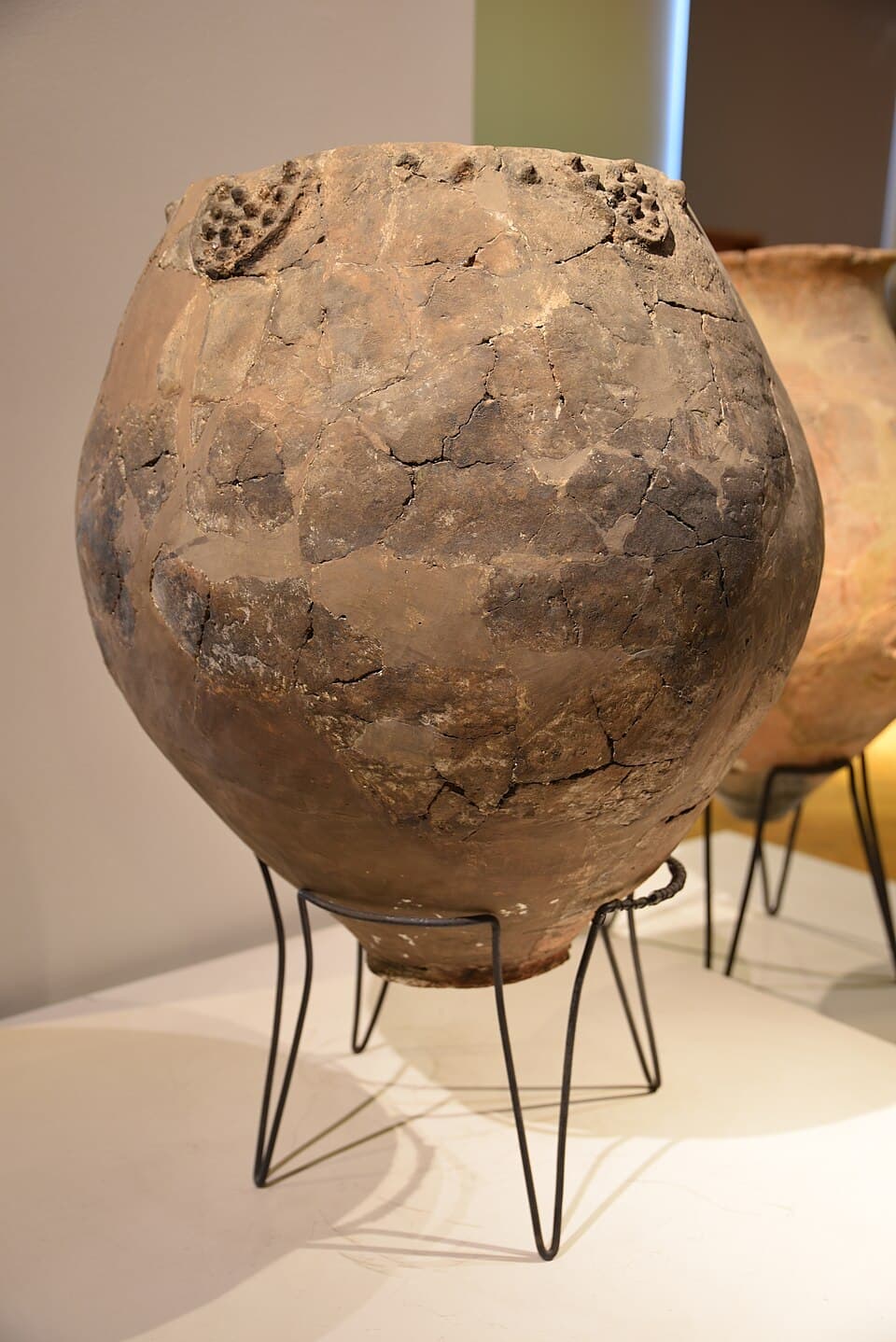
c. 6000 BCEGeorgia, the Caucasus
Around 6000 BCE, villagers in Georgia pressed grapes and left them to ferment in clay jars. The tartaric acid still clinging to the pottery is the oldest trace of wine yet found.
Today in wine
October in the vineyard
Harvest is under way in the Northern Hemisphere.
The vineyard year
Northern Hemisphere
Harvest
Grapes are picked, pressed and carried into the winery.
Southern Hemisphere
Budbreak
Buds swell and burst into leaf: the first green of the year, and the season's first frost risk.
- Rest
- Budbreak
- Flowering
- Veraison
- Harvest
A grape for today
Magdeleine Noire des Charentes
A red grape variety that survives today mainly in ampelographic collections, identified through DNA analysis as a parent of both Merlot and Malbec.
Being picked in the Northern Hemisphere around now.